

Program Bandits Creation
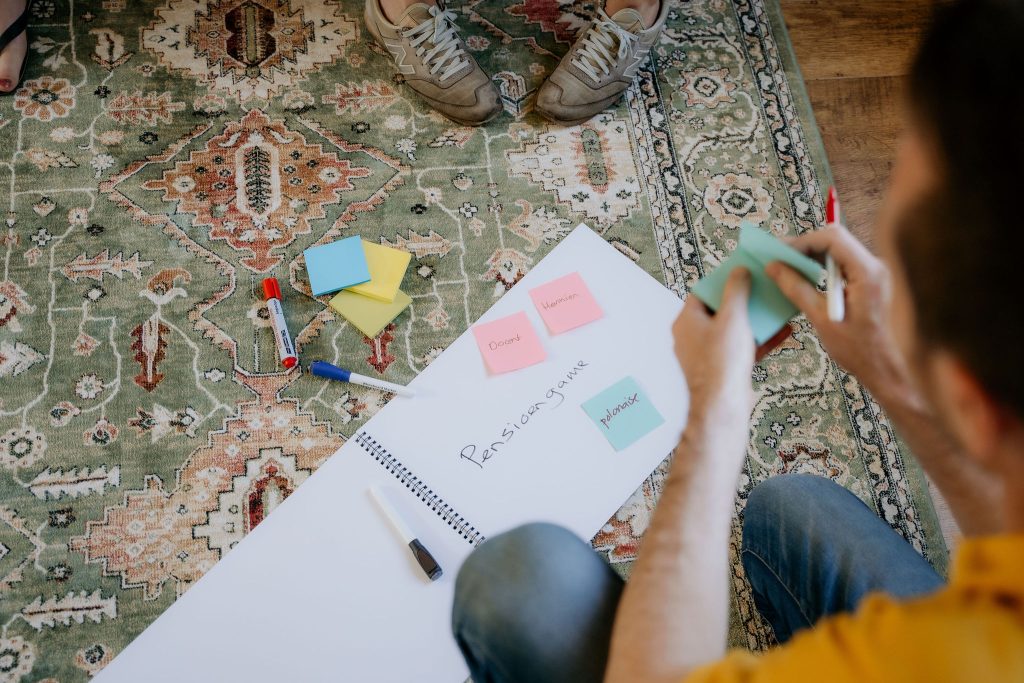
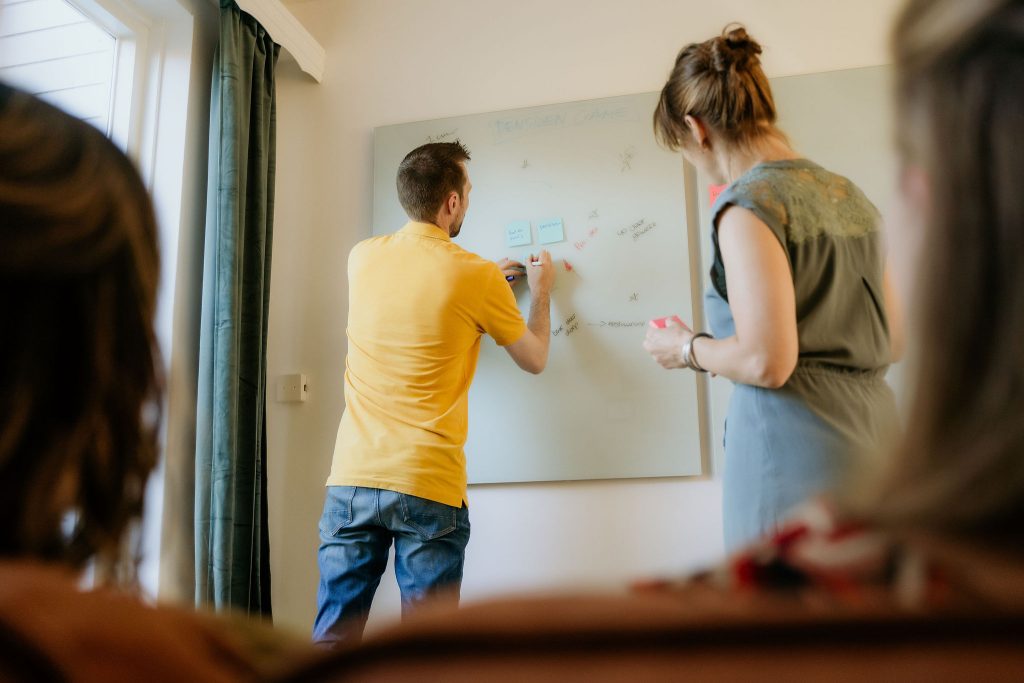
We will conduct a structured teambuilding game development process, together with the Young Creatives, under the guidance of a Game developer, Scummaster and Youth worker. We will adapt the process in such a way that it offers a lot of space for the Young Creatives to learn new skills.
Characteristics
- We work on a project basis for a period of 5 months for 2 days a week.
- The program has a fixed start and end time.
- Focus is on game creation and working in a team
- The participants have sufficient capacity to deal with working in a team. They can also be held accountable for their responsibilities within the team.
If this is not the case, the program Bandits Support is more suitable.
Result
- A team building game that may be marketed, if the quality is high enough. If this is not the case, the Game Developers of Breakout Bandits will take over the development after the project and turn the game into a fully-fledged commercial product.
- While working, the young people learn new skills. All young people receive personal guidance. In this guidance, they investigate what the best next step is for them after the project.
How the program works
The program is divided into several phases.
We intentionally start with group formation and personal development before moving into the creative process of building games.
This allows participants to build confidence, trust and collaboration skills before starting the development journey.
Phase 1 – Landing & group formation
September – October
The first months focus on getting to know each other and creating a safe and supportive environment.
Activities include:
-
meeting the group and the Breakout Bandits team
-
team-building activities and creative challenges
-
discovering team roles and collaboration styles
-
learning how to give and receive feedback
The goal is to create a group where everyone feels comfortable and confident.
Phase 2 – Talent & personal development
November – December
In this phase participants explore their talents and interests.
Topics include:
-
discovering personal strengths
-
exploring creativity and storytelling
-
identifying what motivates and energises you
-
learning from inspiring examples of games
Participants gain more self-insight and confidence while discovering their potential.
Phase 3 – Design Thinking
January – February
Now the creative development process begins.
Using the Design Thinking approach, participants explore questions such as:
-
Who are we creating a game for?
-
What experience do we want players to have?
-
How can we generate creative ideas?
Teams develop the first concepts and prototypes for a new game.
Phase 4 – Scrum & game development
March – May
In this phase participants develop the game step by step using Scrum, a method often used in creative and technology projects.
Participants work in short development cycles where they:
-
divide tasks
-
develop new parts of the game
-
test their ideas
-
improve the experience based on feedback
Gradually the game evolves into a real playable experience.
Phase 5 – Launch & future steps
June
At the end of the program participants:
-
present the game they created
-
test it with real players
-
reflect on their journey and personal growth
Together we also explore the question: what will be your next step?
Experience
We have extensive experience in guiding young people.